Application Guide: How Many Rhinestones Do You Need for Your Project?
- Share
- Issue Time
- Feb 27,2026
Summary
Estimating how many rhinestones you need depends on your project type, surface area, and stone size. First determine whether your design requires outlining or full coverage, then measure the space using linear or square dimensions. Different SS sizes cover different areas, so mixing sizes can improve layout results. Converting total stones into gross packaging helps plan orders efficiently. Always order extra stones to allow for adjustments and ensure consistent results.
Application Guide: How Many Rhinestones Do You Need for Your Project?
Starting a rhinestone project is exciting.
You’ve chosen your design.
You’ve imagined the sparkle.
You may even have selected your colors and stone sizes.
Then comes the question that almost every designer asks:
How many rhinestones do I actually need?
This step can feel a little technical, but it doesn’t have to be complicated. With a few simple estimating methods, you can plan your project accurately and avoid running out of stones halfway through.
This guide from G&J Jewelry Accessories will walk you through the basics so you can estimate rhinestones quickly and confidently.
✨ Step 1: Identify Your Design Type (Outline or Full Coverage)
Before measuring anything, first determine how rhinestones will be used in your design.
Most projects fall into two categories:
Outline Designs
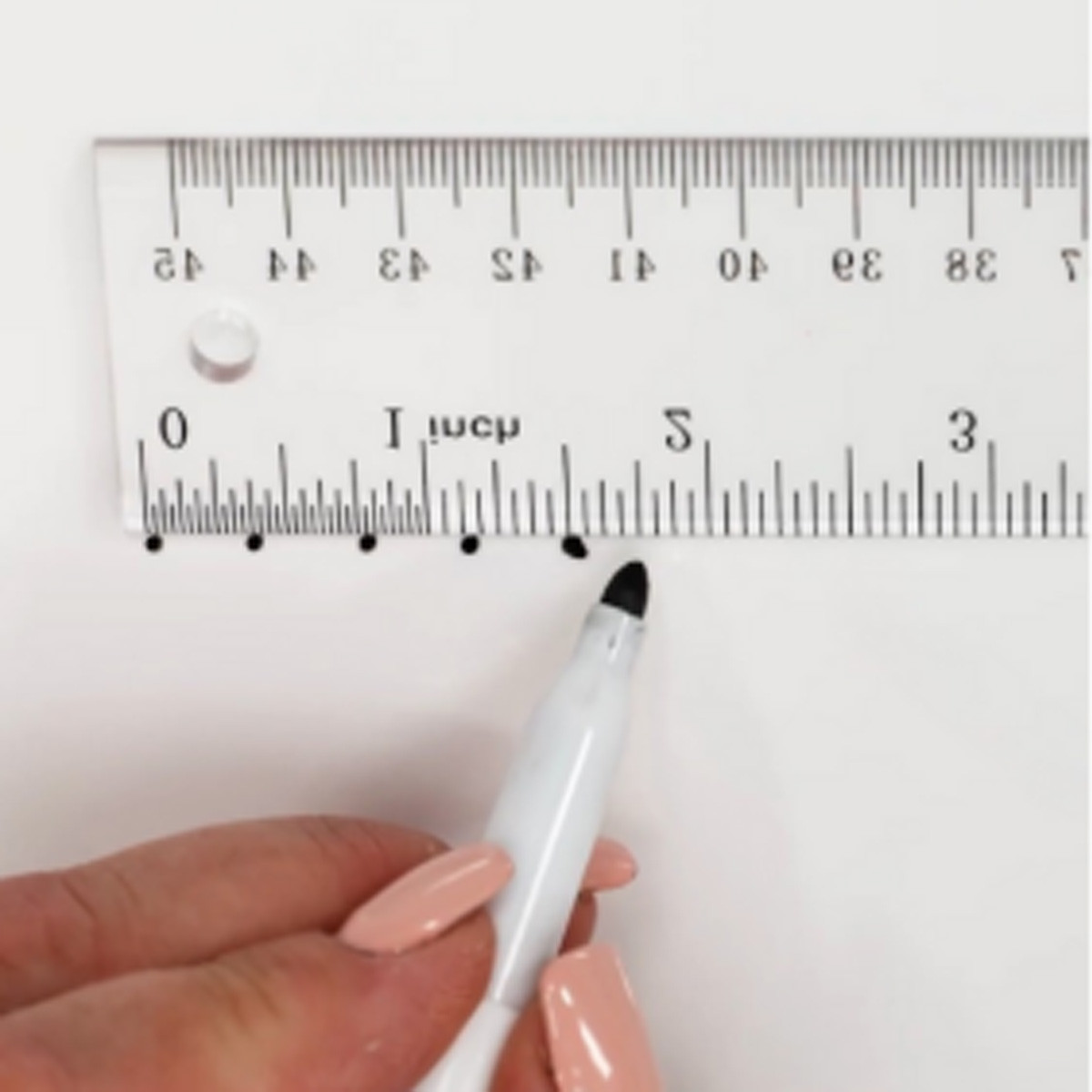
Used for borders, lettering, seams, or decorative edges. Estimation is based on stones per linear inch.
Fill Designs
Used for covering surfaces such as garments, shoes, phone cases, or accessories. Estimation is based on stones per square inch.
Many projects combine both methods—for example, using larger stones for coverage and smaller stones to fill gaps or curves.
✨ Step 2: Measure the Surface Area
You don’t need professional tools to get an accurate estimate. Simple measuring methods work well for most projects.
Helpful techniques include:
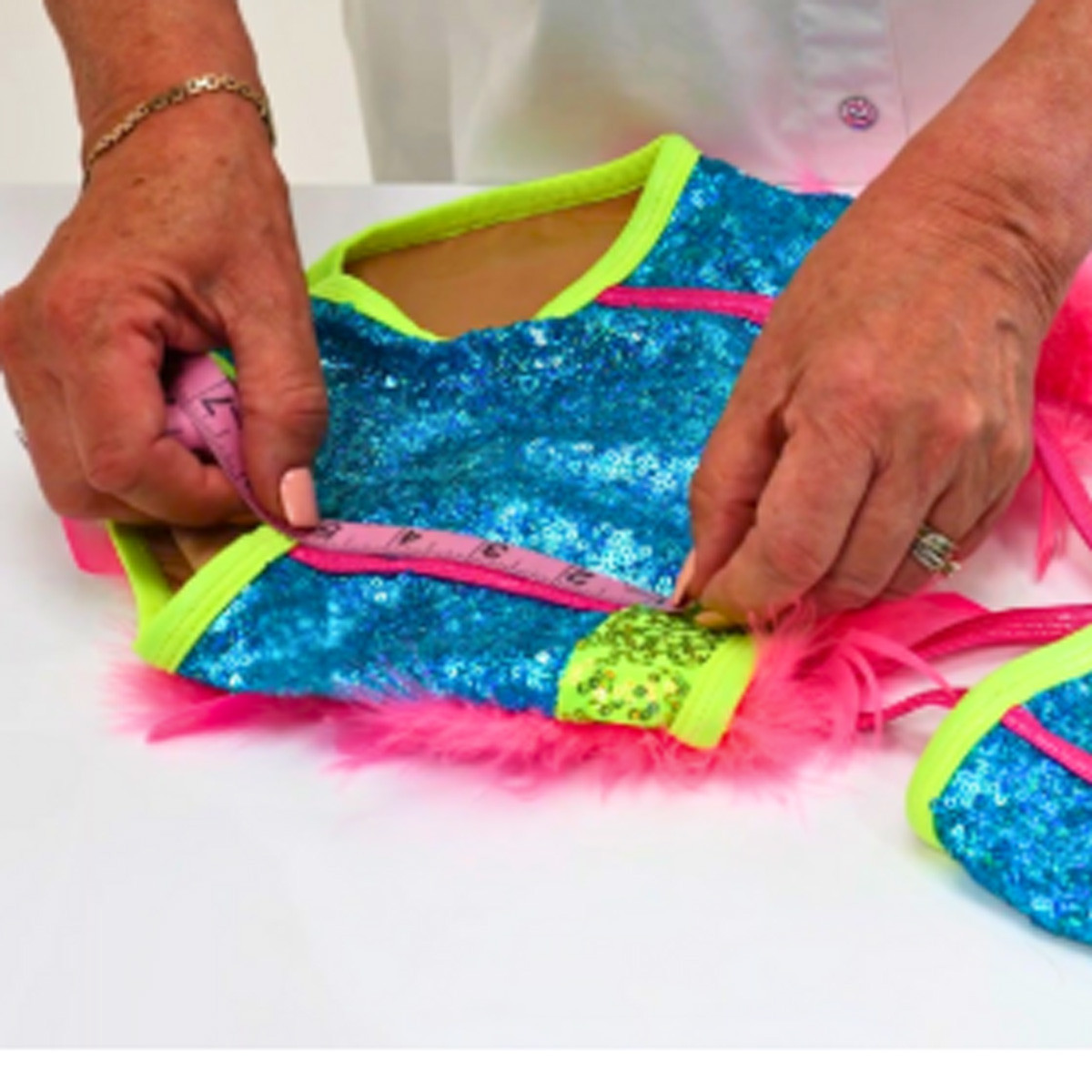
· Use a soft measuring tape for curved surfaces
· Estimate small areas using your palm or hand span
· Measure one section and multiply for repeated patterns
For irregular shapes, measuring approximate areas is usually sufficient for planning.
✨ Step 3: Quick Reference – Rhinestones Per Size
Different stone sizes cover different amounts of space. Larger stones require fewer pieces, while smaller stones increase detail density.
Rhinestones Per Linear Inch (Outline Reference)
· SS5 – approx. 14 stones
· SS7 – approx. 12 stones
· SS9 – approx. 10 stones
· SS12 – approx. 8 stones
· SS16 – approx. 7 stones
· SS20 – approx. 5 stones
· SS30 – approx. 4 stones
Rhinestones Per Square Inch (Coverage Reference)
· SS5 – approx. 196 stones
· SS7 – approx. 144 stones
· SS9 – approx. 100 stones
· SS12 – approx. 64 stones
· SS16 – approx. 49 stones
· SS20 – approx. 30 stones
· SS30 – approx. 16 stones
Tip: Mixing two sizes often creates cleaner layouts, especially around curves or edges.
✨ Step 4: Convert Stone Quantity to Packaging
After estimating the number of rhinestones required, the next step is calculating how many packs to order.
Standard rhinestone packaging commonly follows the gross system:
· 1 gross = 144 stones
· 5 gross = 720 stones
· 10 gross = 1,440 stones
When planning orders, it’s always recommended to round up. Extra stones are useful for adjustments, replacements, or design changes.
✨ Example Estimations for Common Projects
Tumbler Full Coverage
A standard tumbler typically requires around 2,500–3,000 pieces of SS20 stones, depending on layout style.
Shoes (Full Coverage)
For average-size shoes:
· SS20 for main coverage
· SS12 for edges and curved areas
Exact quantities vary based on pattern density.
Phone Cases
Measure the back area and calculate using stones per square inch.
✨ Tools That Make Estimating Easier
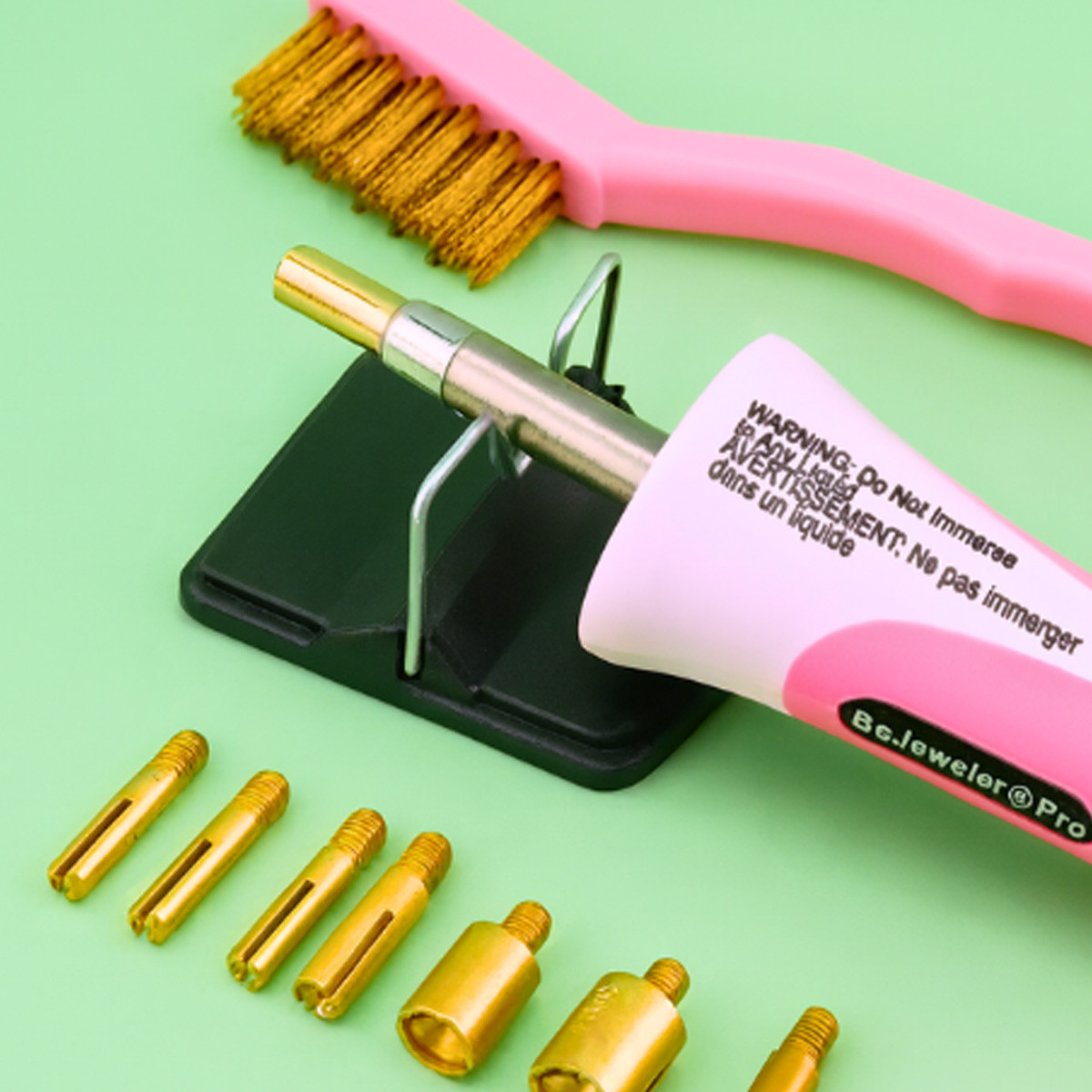
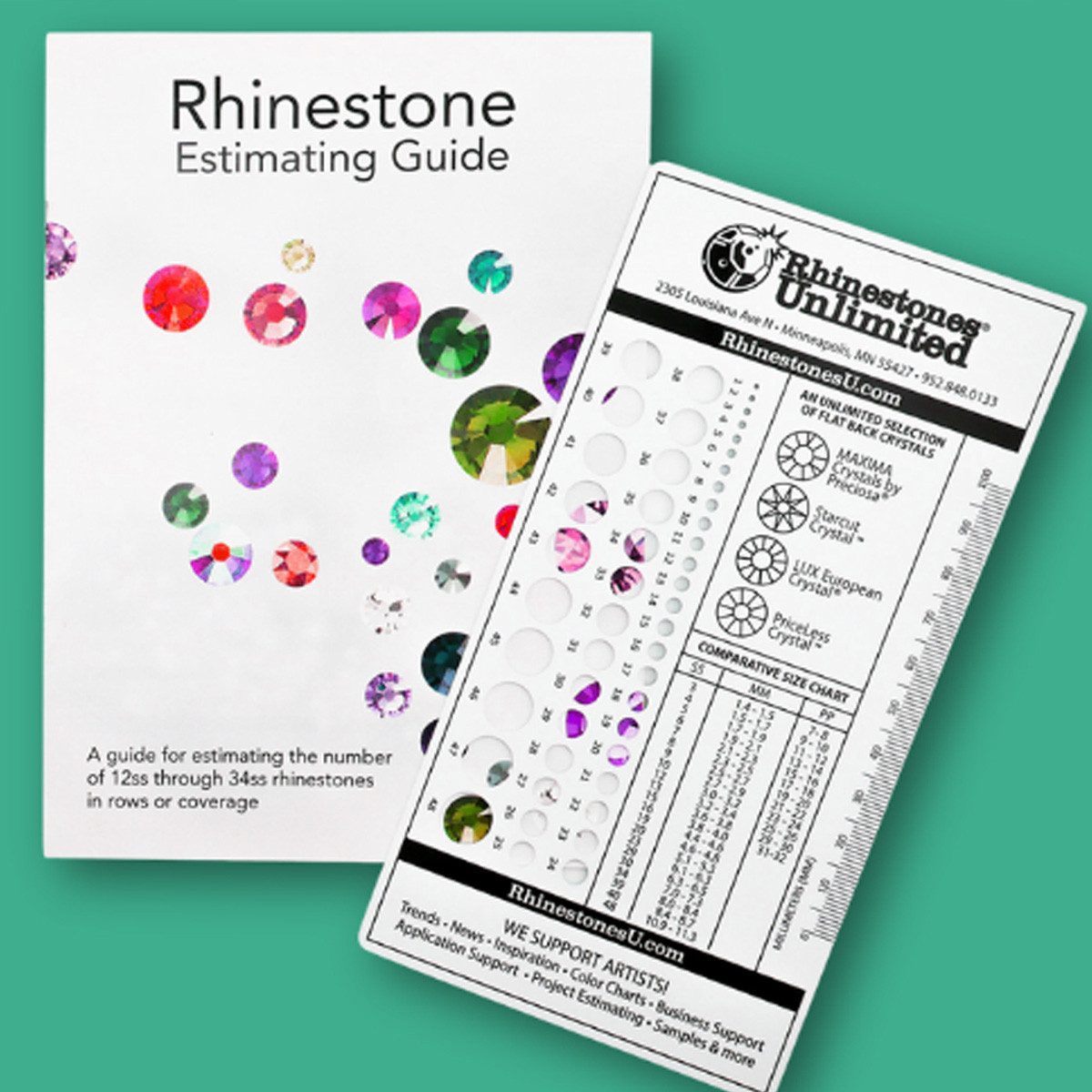
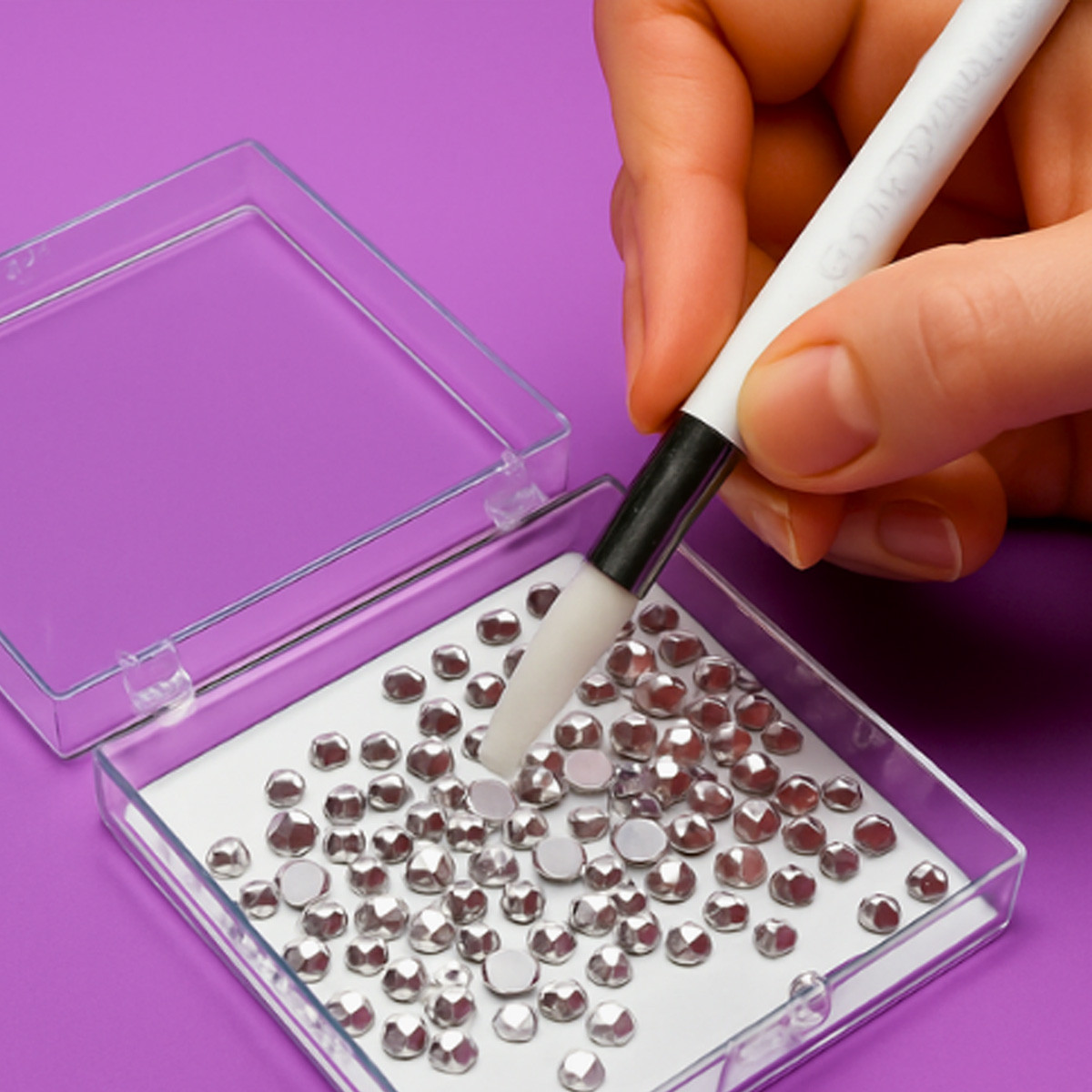
Preparation tools can greatly improve efficiency:
· Rhinestone trays for sorting
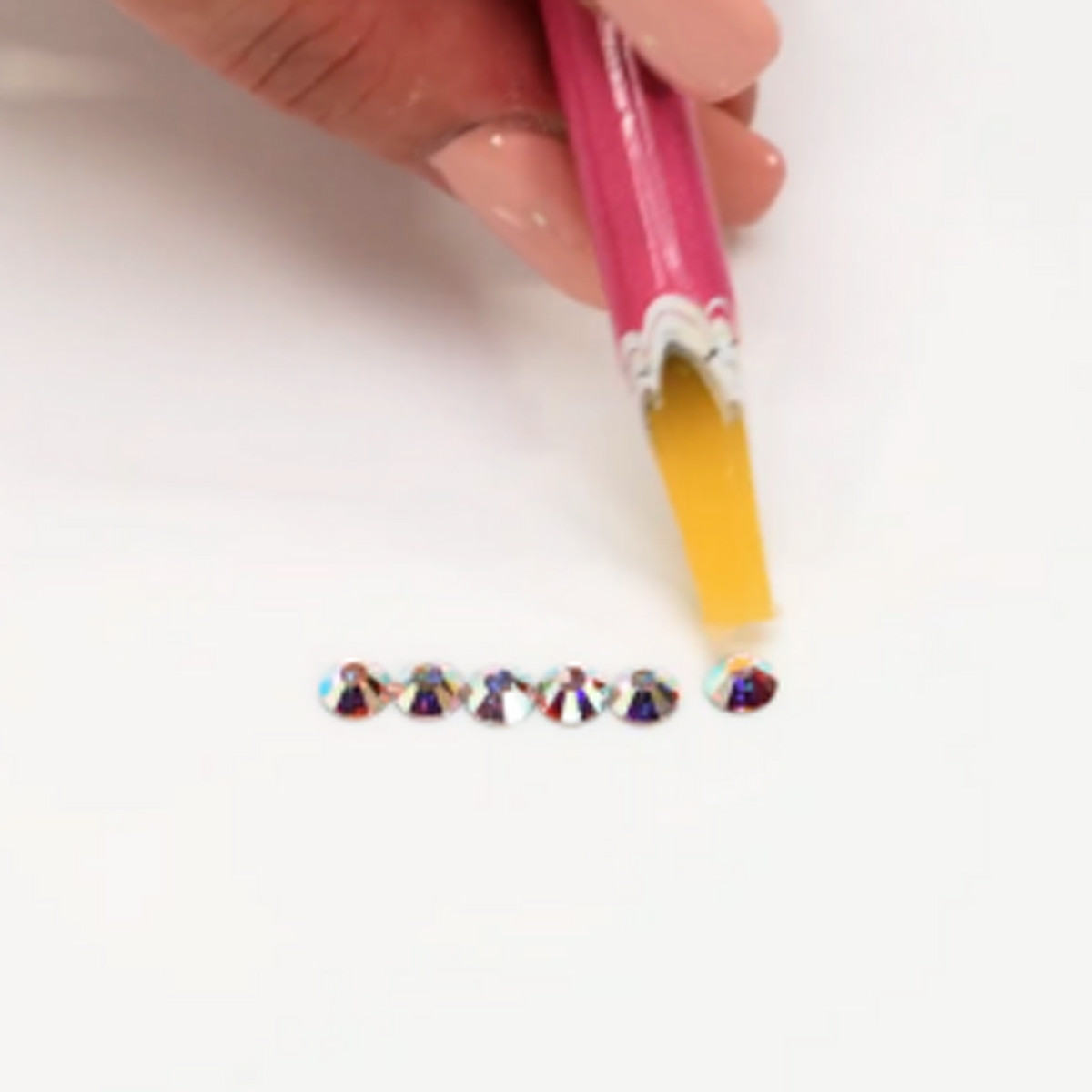
· Wax pickup pencils
· Precision glue applicators
· Size charts and layout guides
Using the right tools helps both beginners and professional designers achieve consistent results.
✨ Frequently Asked Questions
Should I order extra rhinestones?
Yes. Ordering extra helps prevent delays and ensures consistency if adjustments are needed.
Do I need multiple sizes?
In most designs, yes. A main size plus a smaller size improves layout accuracy.
What’s the easiest way to estimate repeating patterns?
Measure one repeat unit, then multiply by the total number of repeats across the surface.
✨ Final Thoughts
Estimating rhinestones becomes much easier once you understand how size and coverage work together.
Every project is a balance between planning and creativity. With the right preparation, you can avoid waste, control costs, and achieve the sparkle effect you’re aiming for.
Design, test, adjust—and enjoy the process.