Materials Guide: Acrylic in Jewelry and Accessory Design
- Share
- Issue Time
- Feb 28,2026
Summary
Estimating the number of rhinestones needed for a project depends on design size, stone shape, and placement density. By measuring the decoration area and selecting the correct stone dimensions, you can calculate approximate quantities and reduce material waste. This guide helps businesses and designers plan rhinestone usage efficiently for apparel, accessories, and craft applications.
Materials Guide: Acrylic in Jewelry and Accessory Design
Acrylic has become one of the most widely used materials in modern jewelry and accessory production.
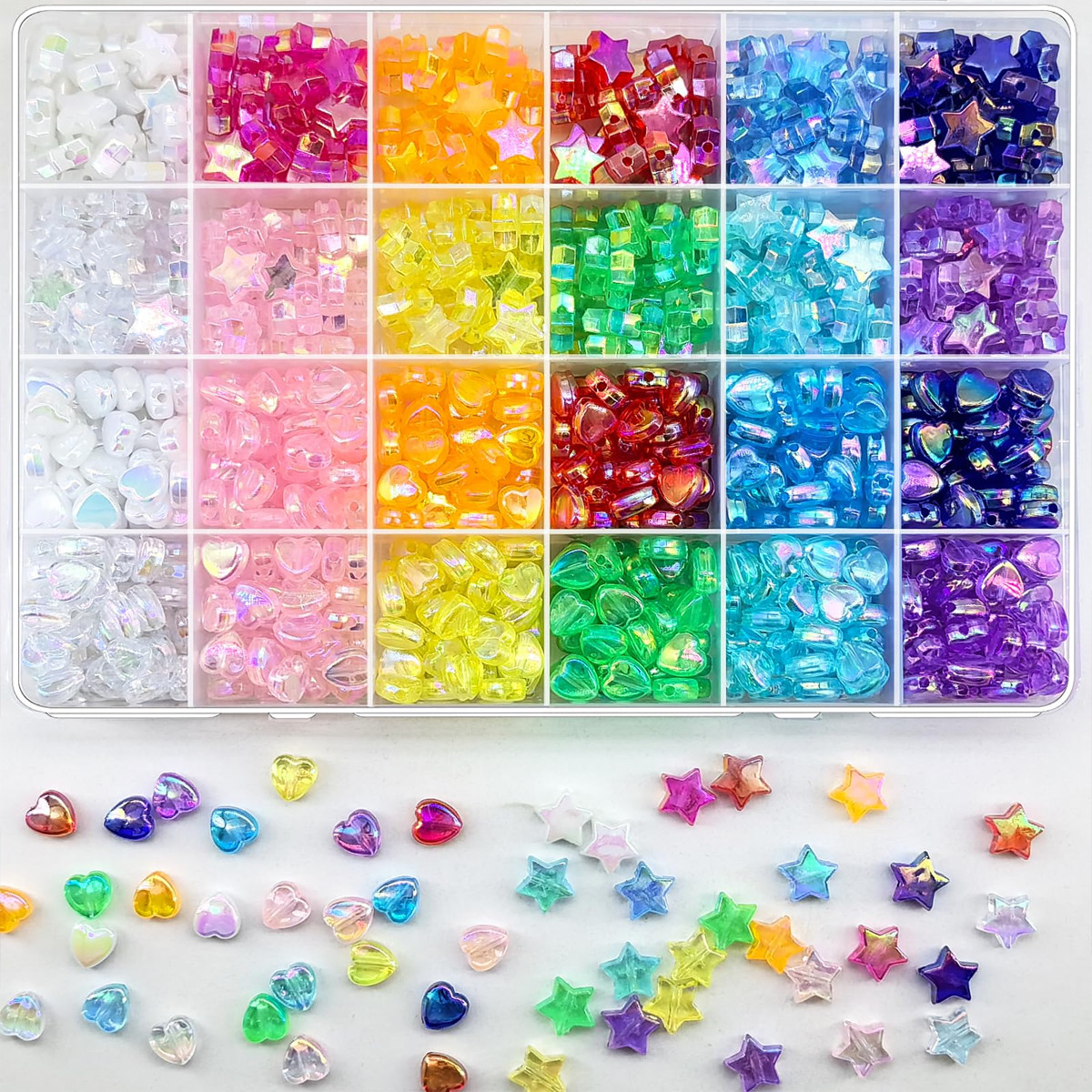
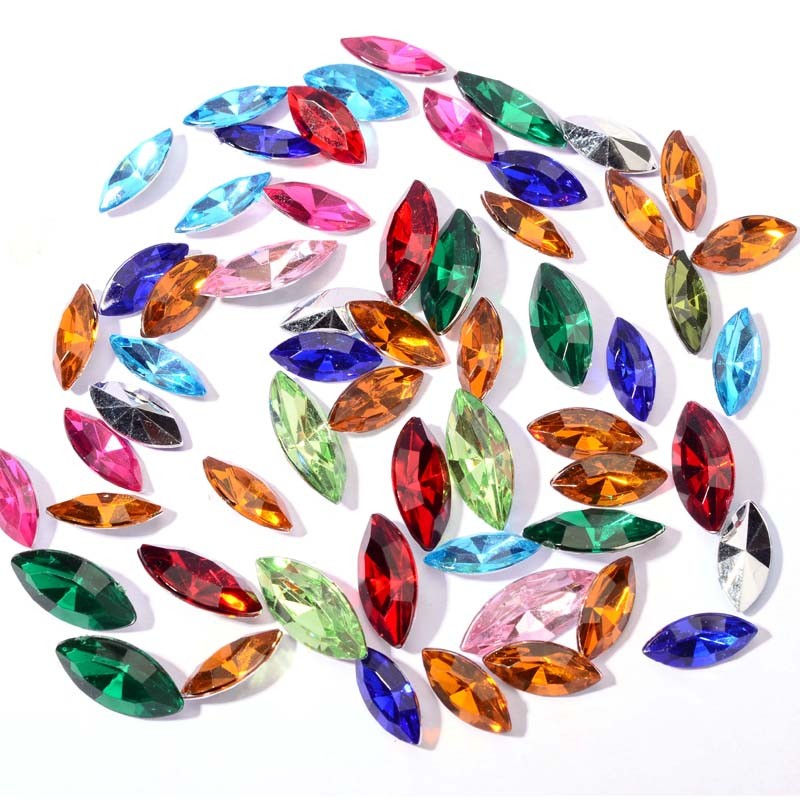
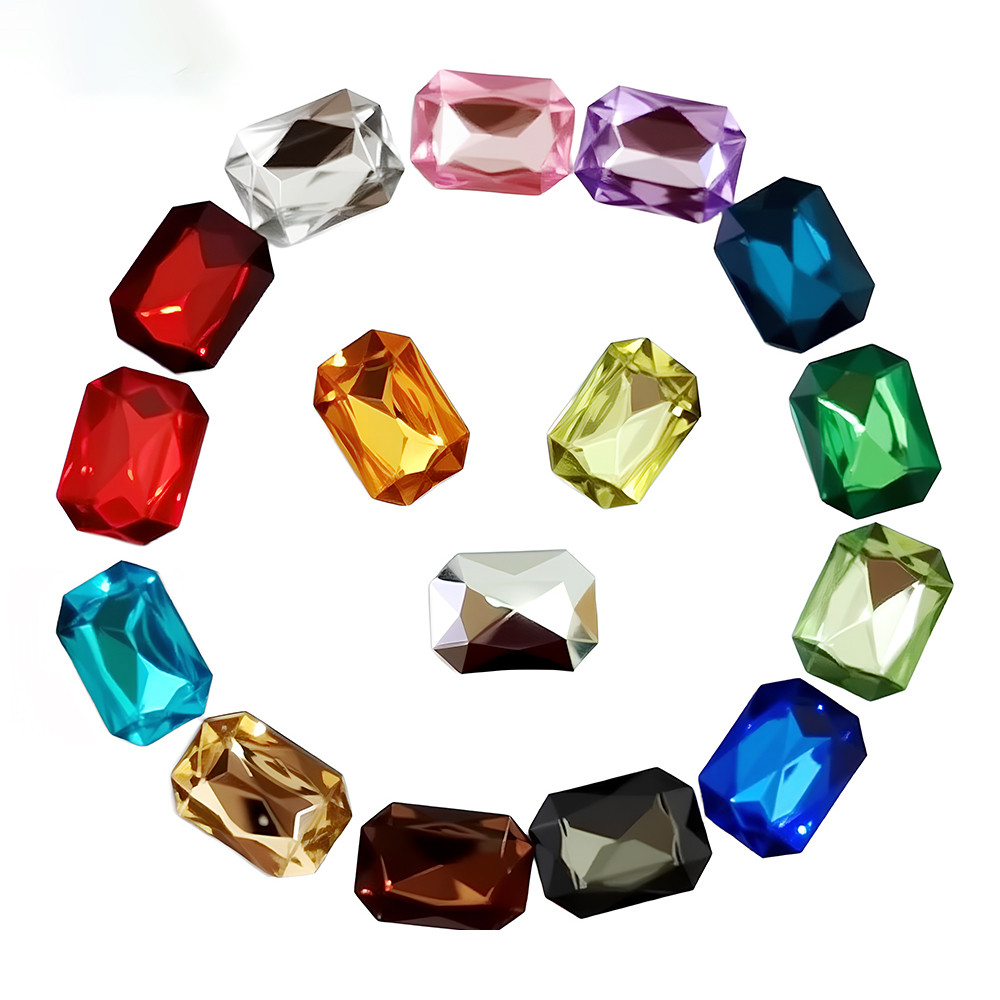
With its lightweight structure, vibrant color options, and flexible processing methods, acrylic allows designers to create bold styles while maintaining cost efficiency. From fashion jewelry to decorative accessories, acrylic helps balance creativity and practicality in large-scale production.
Based on industry supply experience, Yiwu Guojie Jewelry Accessories Co., Ltd. shares how acrylic materials are commonly used in today’s accessory designs.
🌟What Is Acrylic Material?
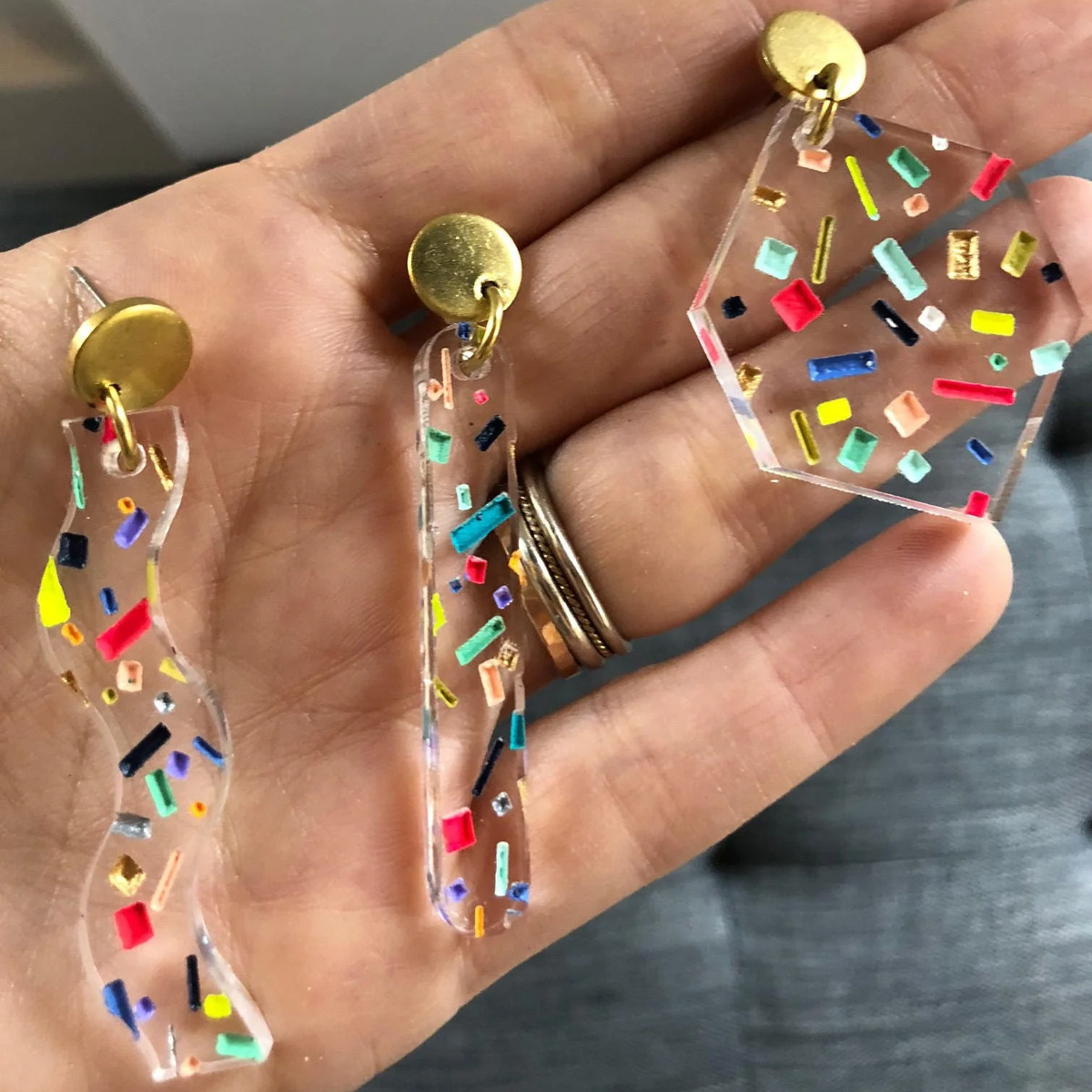
Acrylic is a synthetic polymer material known for its clarity, durability, and adaptability. In jewelry and accessory manufacturing, acrylic can be molded, laser-cut, dyed, or polished into various shapes and finishes.
Key characteristics include:
· Lightweight and comfortable for wearable products
· Wide range of colors and surface effects
· Easy to process into different shapes
· Suitable for bulk production
These features make acrylic a practical choice for fashion-focused product lines.
🌟Acrylic Applications in Jewelry Design
Statement Jewelry Pieces
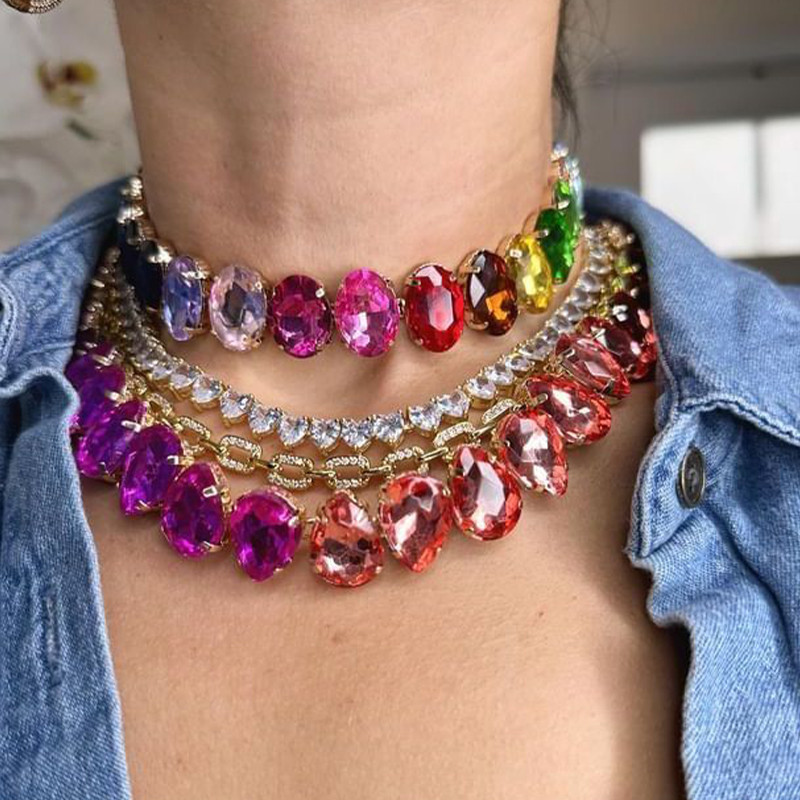
Acrylic is frequently used in statement earrings, necklaces, and bangles. Its lightweight nature allows designers to create larger structures without adding excessive weight.
Trend-Driven Color Designs
Acrylic supports strong color saturation, gradient finishes, and translucent effects. This makes it especially popular in seasonal and fast-fashion collections.
Mixed-Material Jewelry
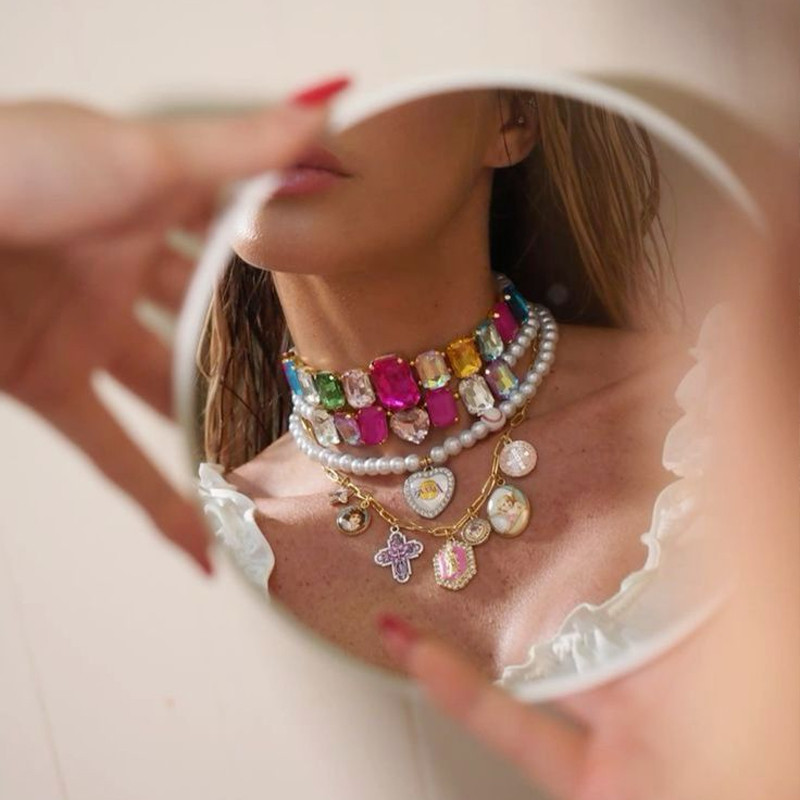
· Many designs combine acrylic with:
· Metal components
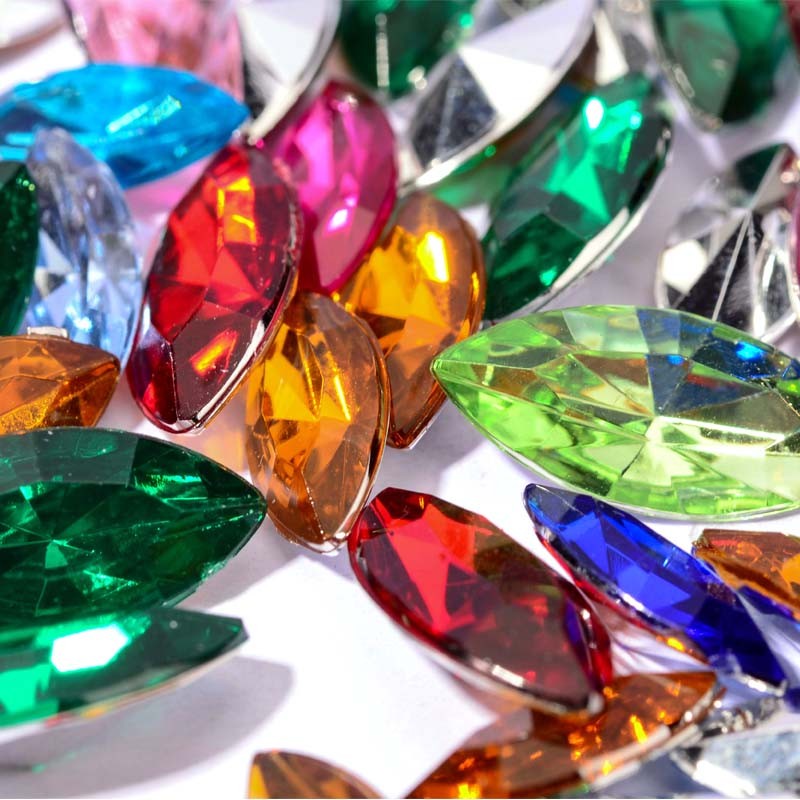
· Rhinestones
· Imitation pearls
This combination creates layered textures and visual contrast.
🌟Practical Advantages of Acrylic in Accessories
Beyond design flexibility, acrylic also provides functional benefits:
· Good resistance to daily wear
· Easy surface maintenance
· Lower production cost compared to glass or metal
· Reduced shipping weight for bulk orders
These advantages make acrylic suitable for both wholesale production and retail collections.
🌟How to Choose the Right Acrylic for Your Design
When sourcing acrylic components, buyers should pay attention to several technical factors:
· Material thickness and durability
· Color stability across batches
· Surface smoothness and finishing quality
· Compatibility with other jewelry materials
Working with experienced suppliers helps ensure consistent results for large-scale production.
🌟Custom Acrylic Options for Bulk Orders
Acrylic materials are highly customizable and can be produced based on design requirements.
Common customization options include:
· Color matching
· Shape development
· Size adjustments
· Surface finishing effects
This flexibility allows brands and designers to create unique product styles.
Conclusion
Acrylic continues to play an important role in modern jewelry and accessory design due to its versatility, lightweight structure, and production efficiency.
By understanding its applications and selecting suitable materials, designers and wholesalers can develop creative products while maintaining practical cost control.